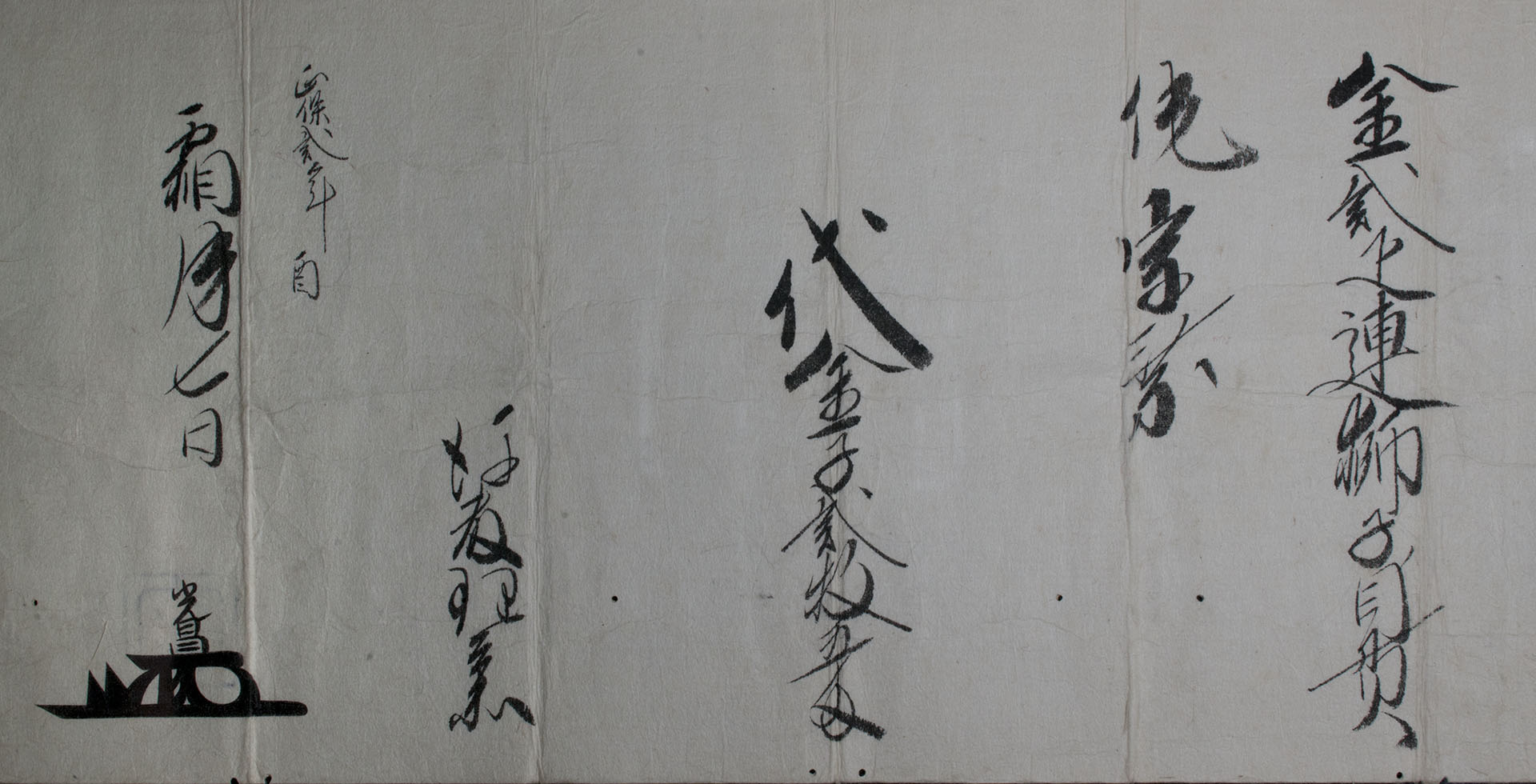
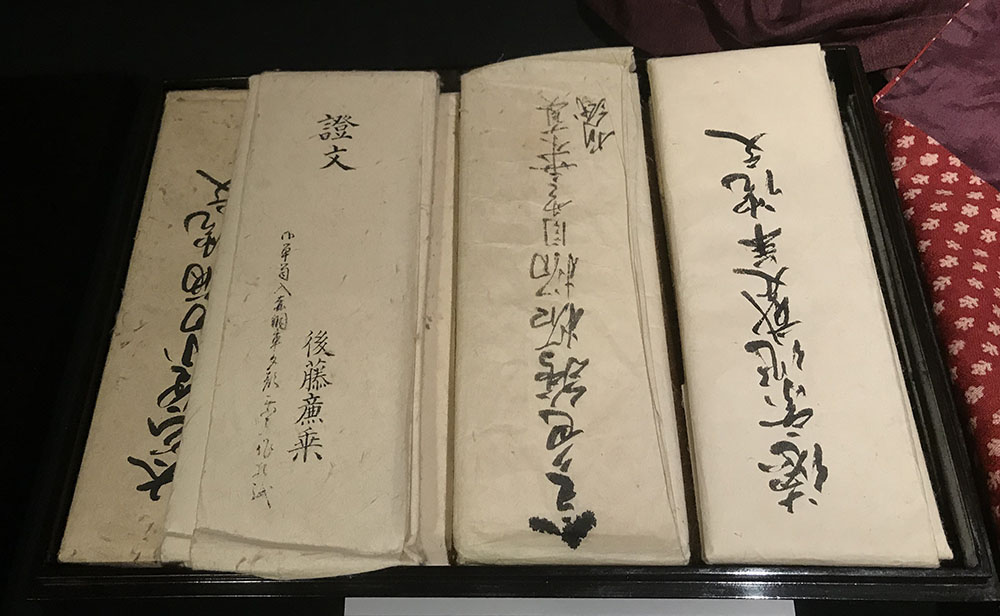
Here is an example of a paper by Mitsumasa (Goto Teijo, the 9th) attributing gold double shishi menuki to Goto Sojo (the 2nd). Not from the Met collection, but the sort of thing to be found inside those wrappers in the unboxing post below…
Thinking about Japanese sword fittings, randomly
Here is an example of a paper by Mitsumasa (Goto Teijo, the 9th) attributing gold double shishi menuki to Goto Sojo (the 2nd). Not from the Met collection, but the sort of thing to be found inside those wrappers in the unboxing post below…
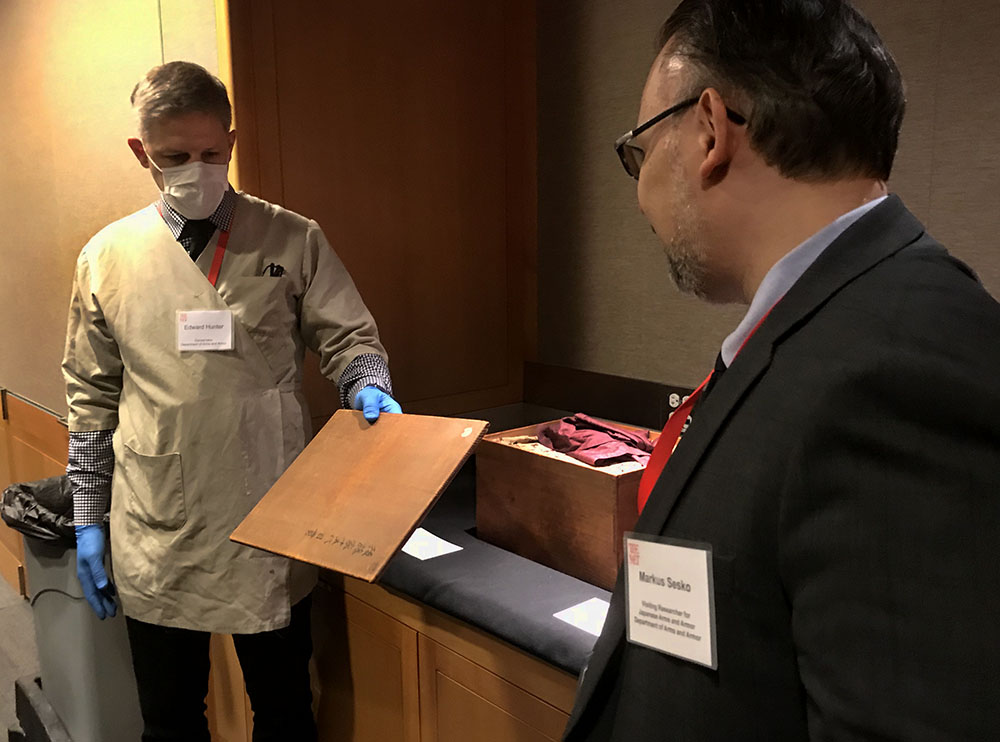
Thanks to Markus Sesko, the Metropolitan Museum of Art and The New York Token Kai, a group of fifty or so sword students were invited to a lecture and viewing at the museum on the swords of Echizen Yasutsugu and the Shimosaka school.
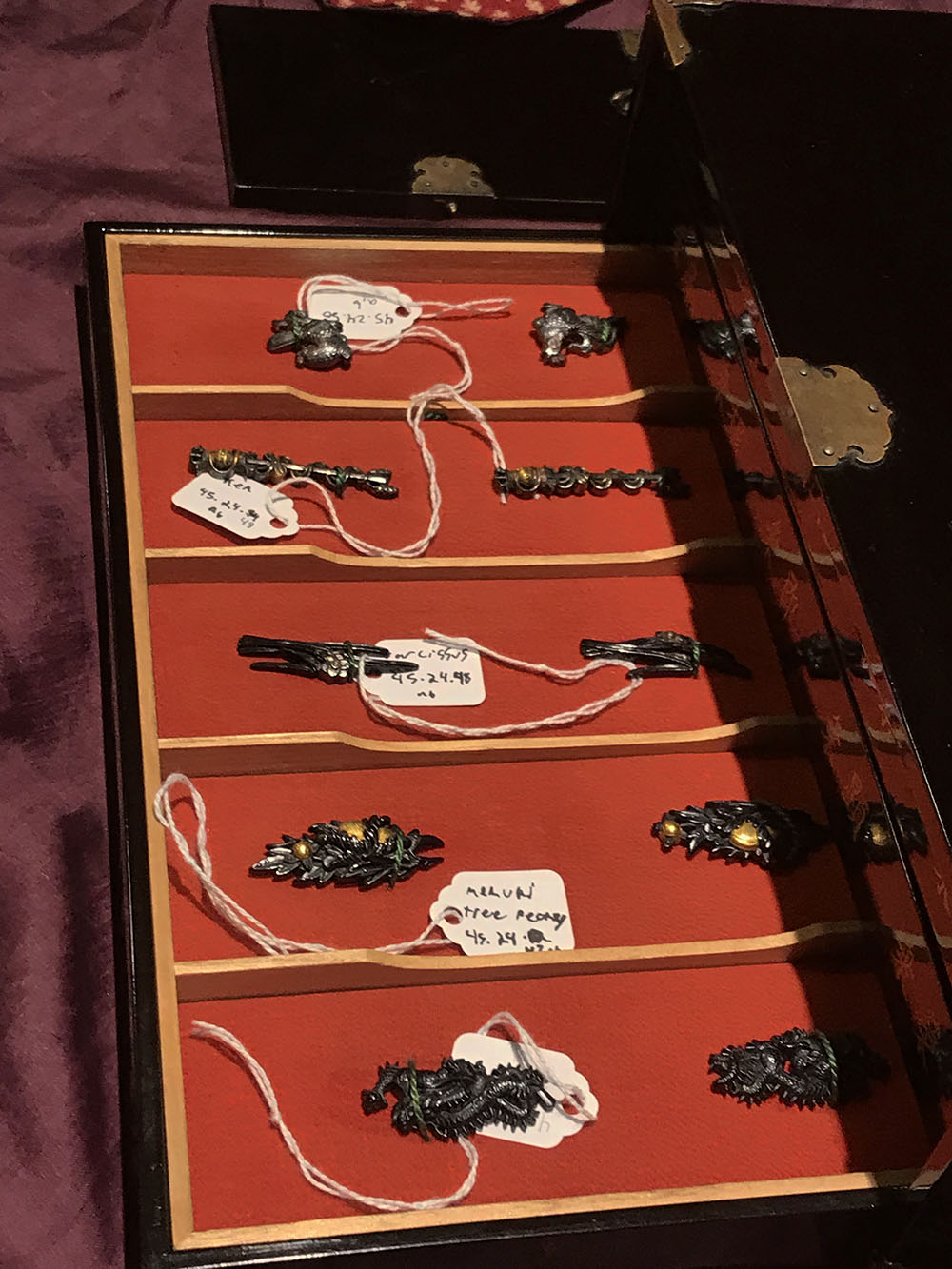
Visitors to the Japanese arms gallery at the Met will be familiar with the Mito Tokugawa collection of Goto kodogu on permanent display. There are mitokoromono from each of the first 15 mainline generations along with additional kozuka and menuki. (Ex. coll. Robert H. Rucker, NY, Rogers Fund, 1945).
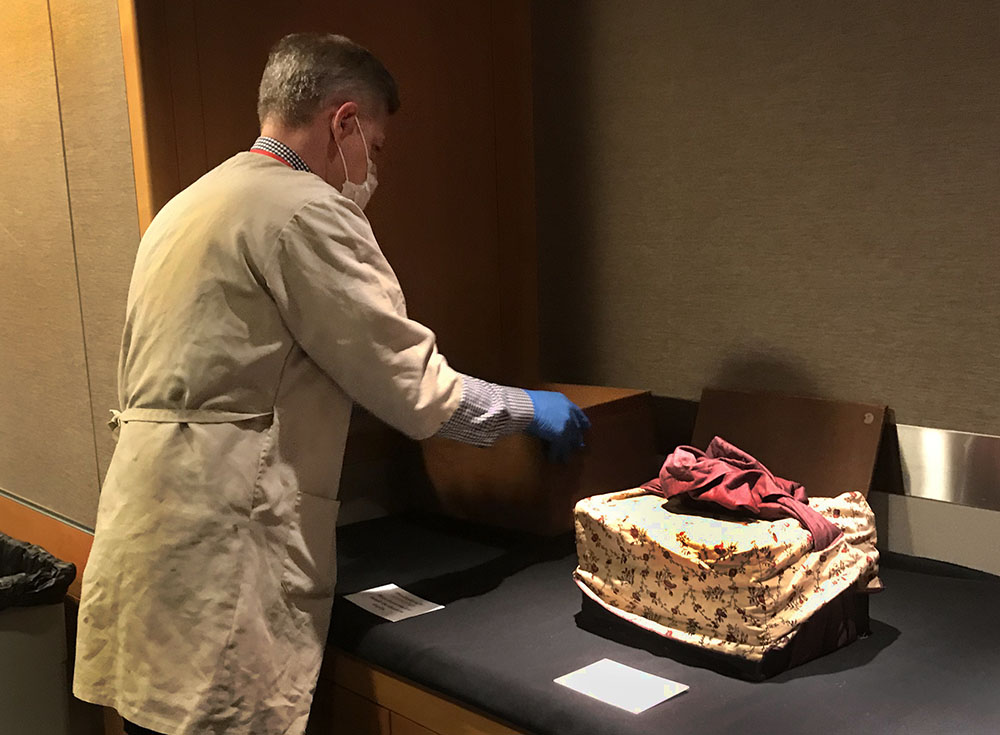
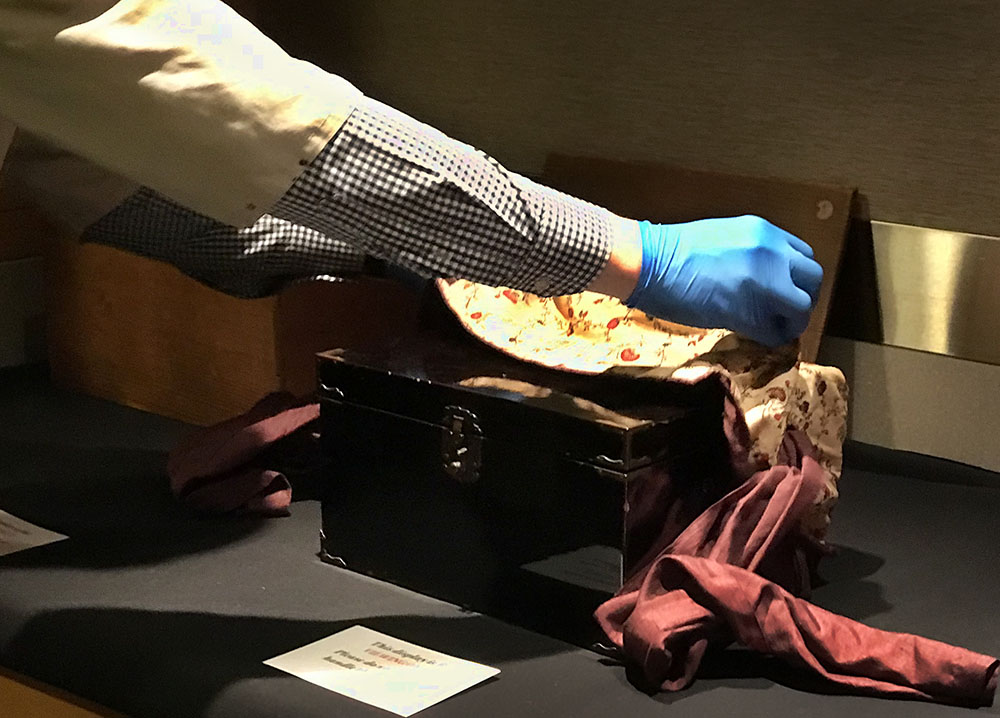
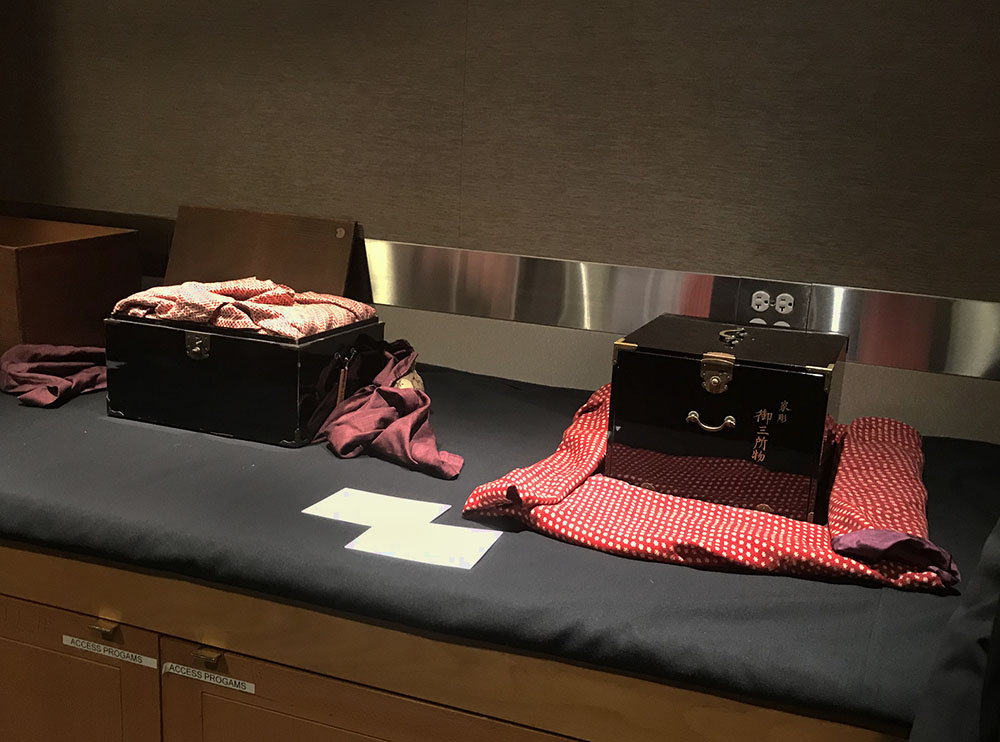
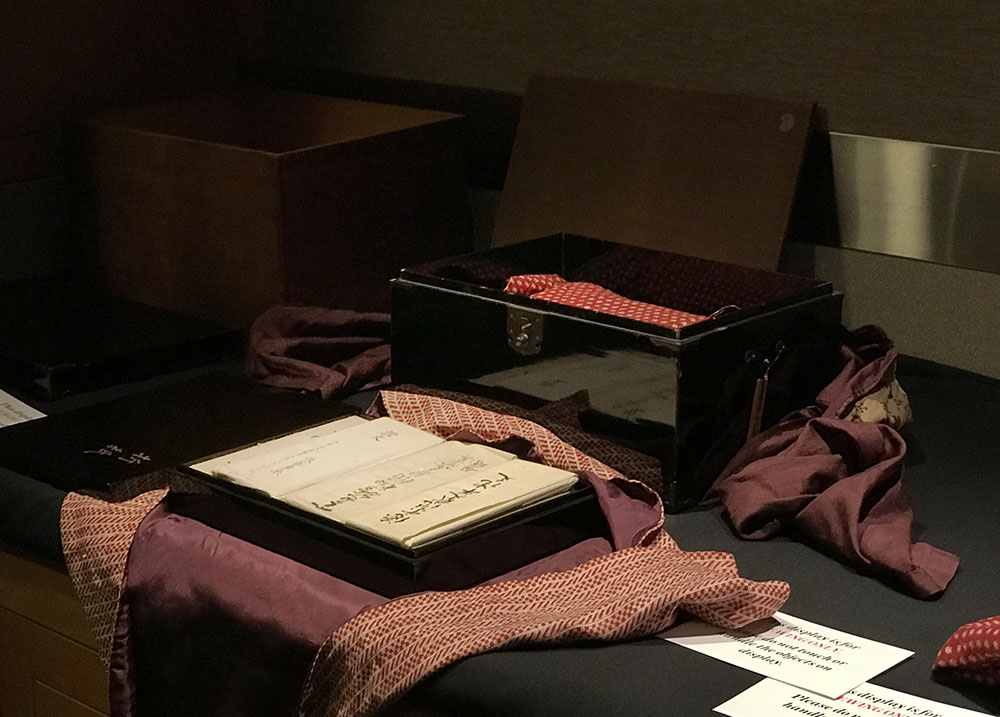
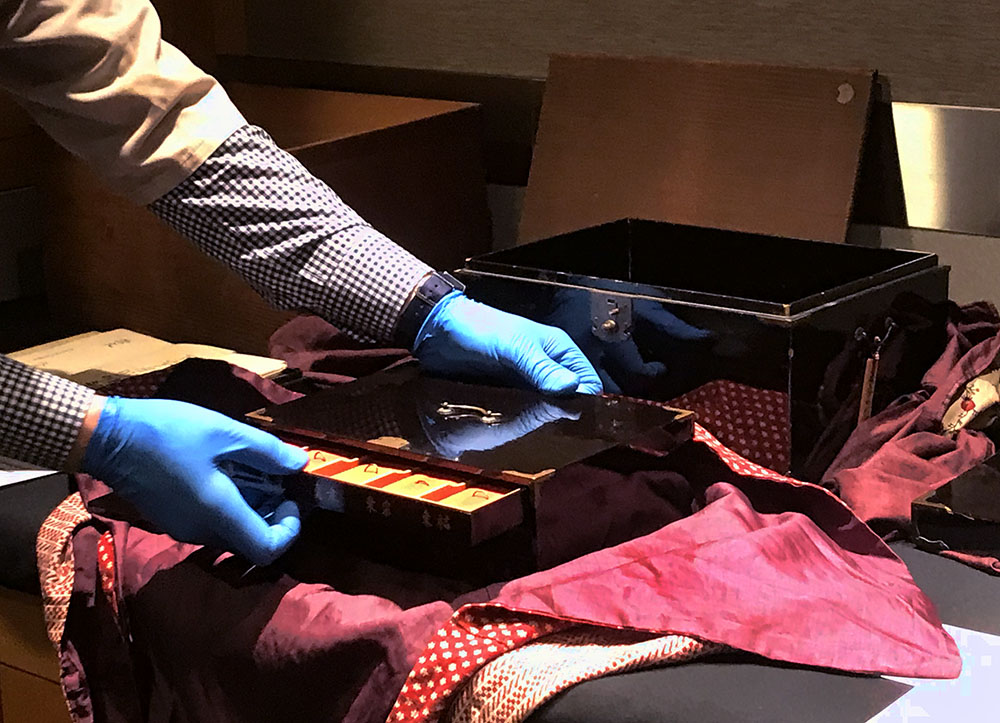
Seldom (never?) seen on display are the lacquer boxes that originally housed the collection. Markus retrieved these from deep storage and brought them out for study along with the above mentioned swords.
See also from Markus Sesko:
Further details on the attribution of the various items and some photos can be found by searching on “Goto” at the Met Museum site:
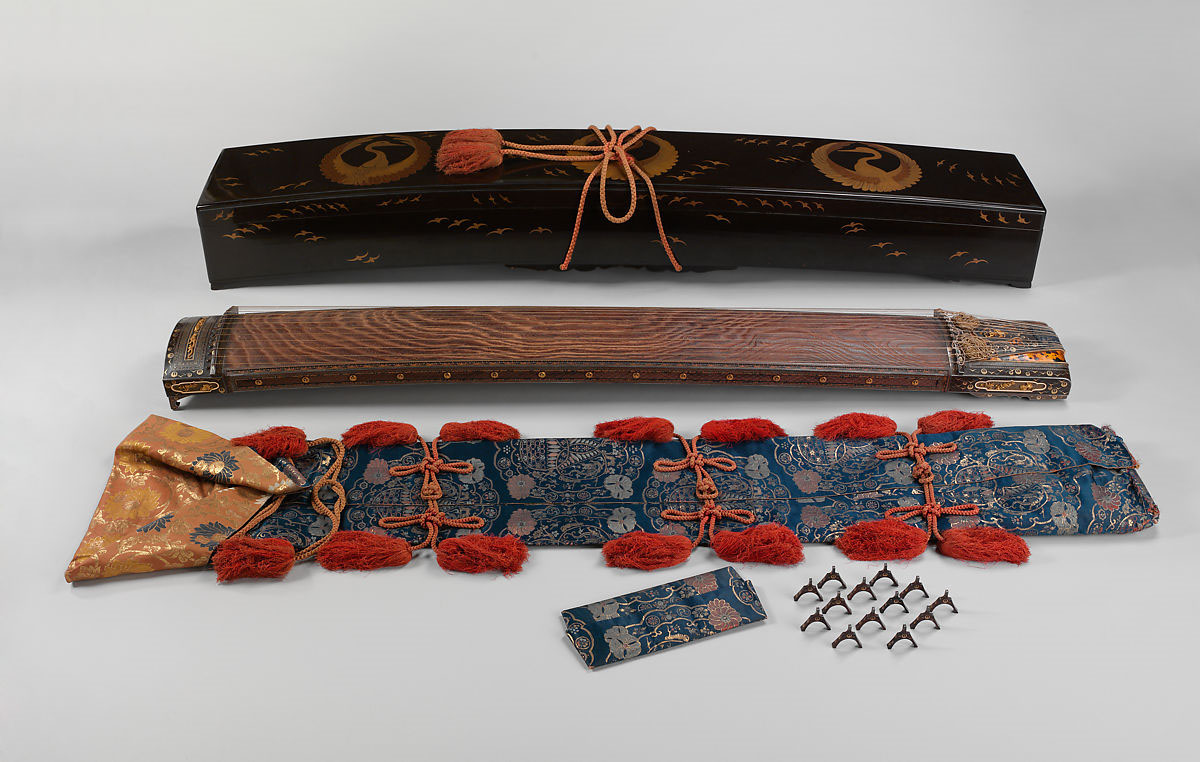
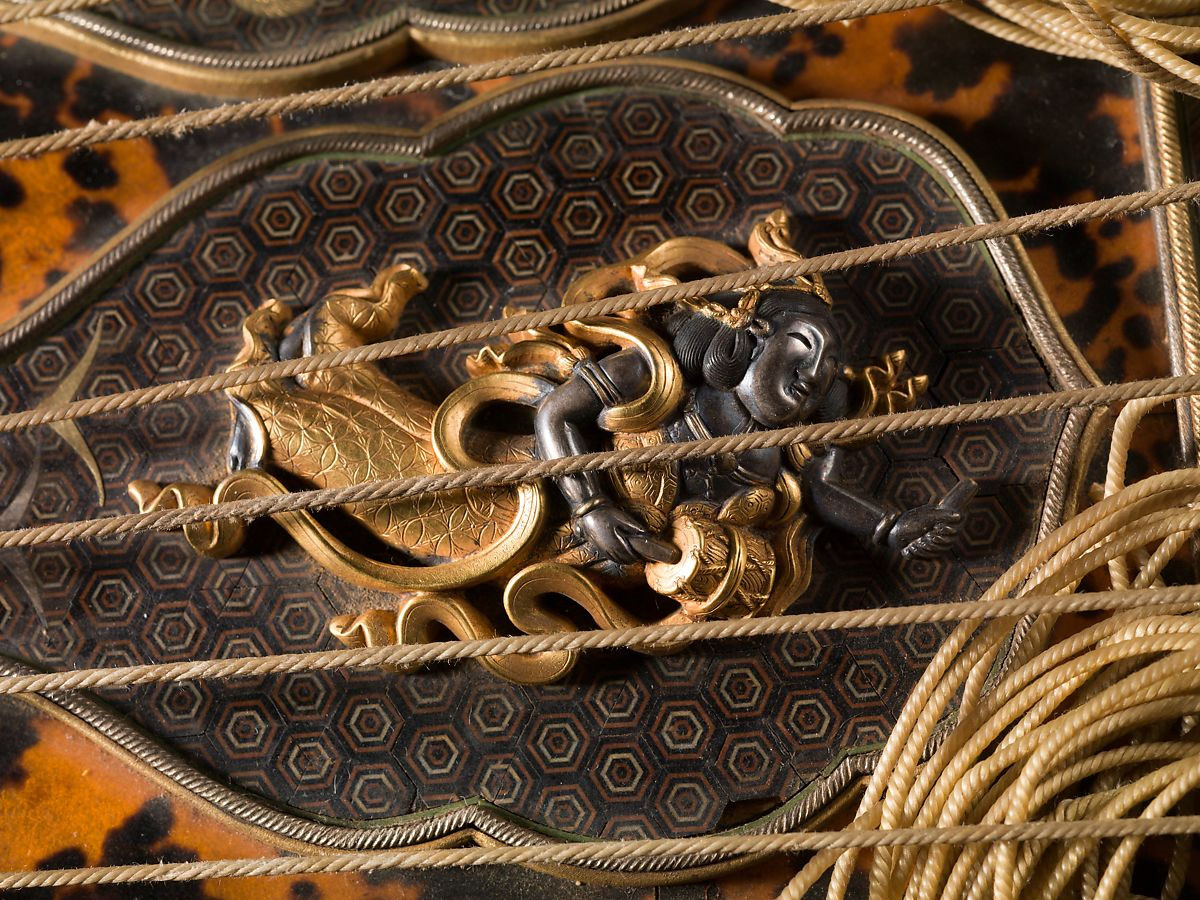
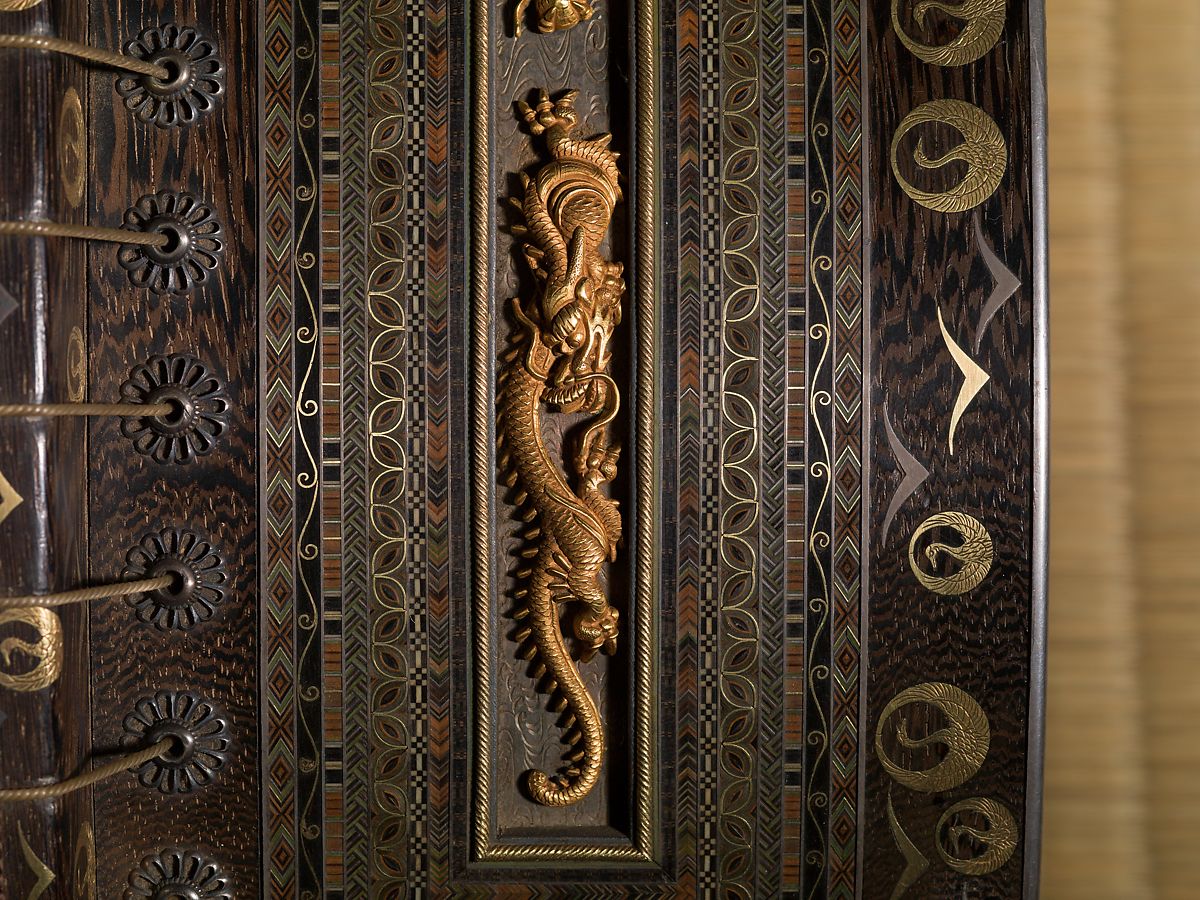
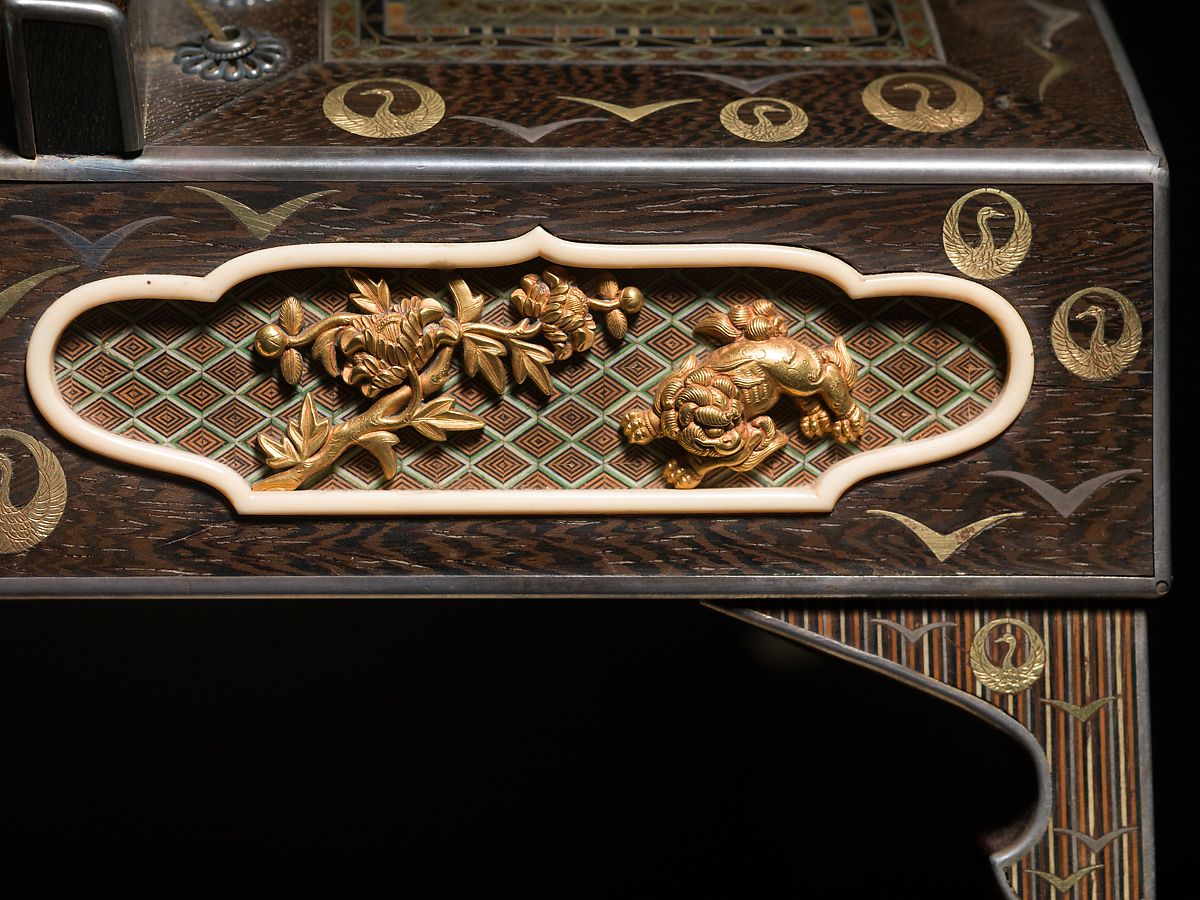
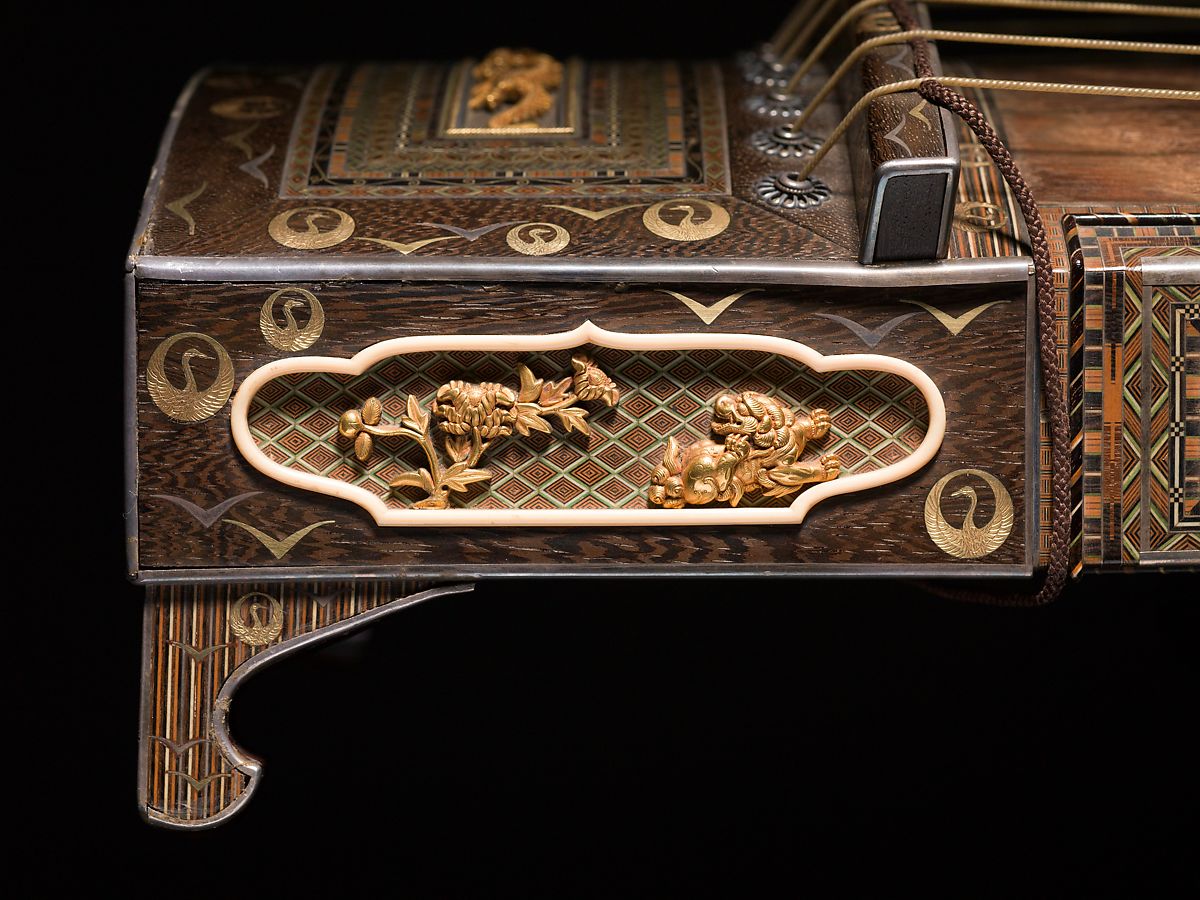
A koto with fittings by Goto Teijo currently on display at the Metropolitan Museum of Art. More and higher resolution photos can be seen here:
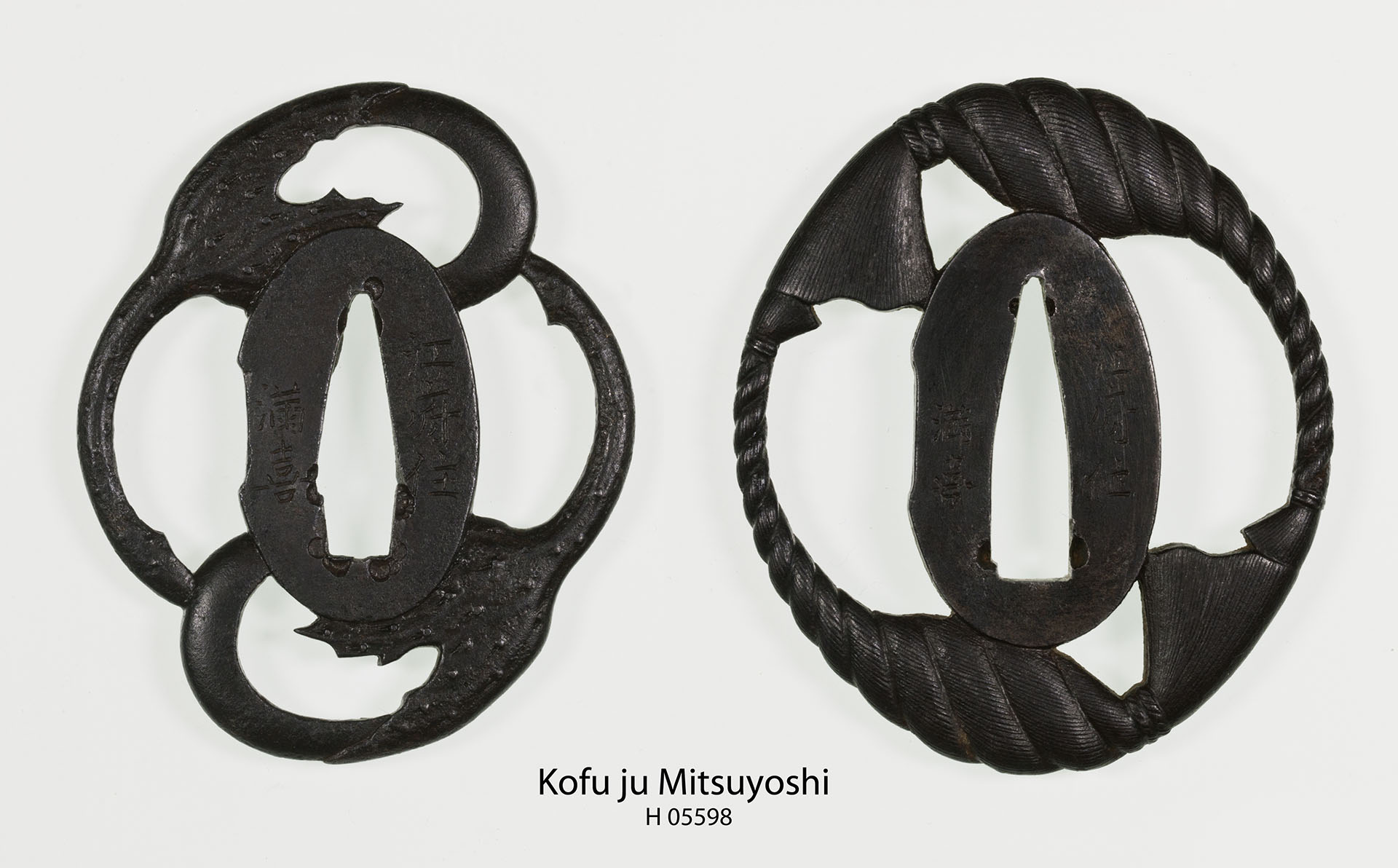
I found the nasu motif tsuba first and was attracted to the modern feel in the sukashi depiction of the eggplants and the texture of the carving. Showing two rather than the typical three nasu is unusual as is the small size.
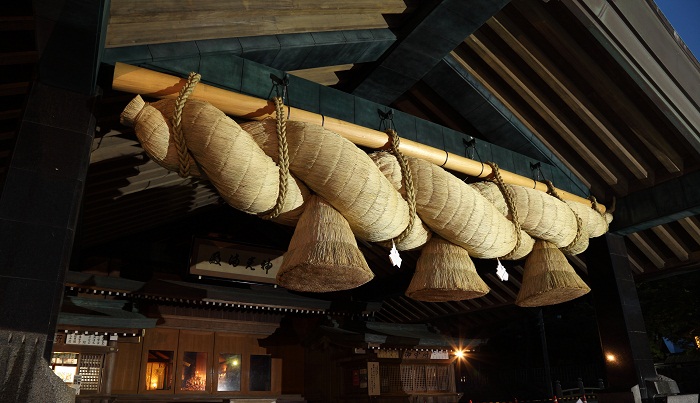
Later I ran across the shimenawa motif guard and before seeing the signature noticed that it used the same design approach as the nasu guard. Single straw ropes like these are used with household shrines, or they are combined in massive temple ropes like this.
I don’t recall coming across that motif on a tsuba before. Mitsuyoshi was an interesting designer.
More on shimenawa here:
Incomparable dignity and the craftman’s skill, the largest Shimenawa (Shinto straw rope) in Japan
Update: Looking through the Baur collection catalog I came across another Mitsuyoshi:
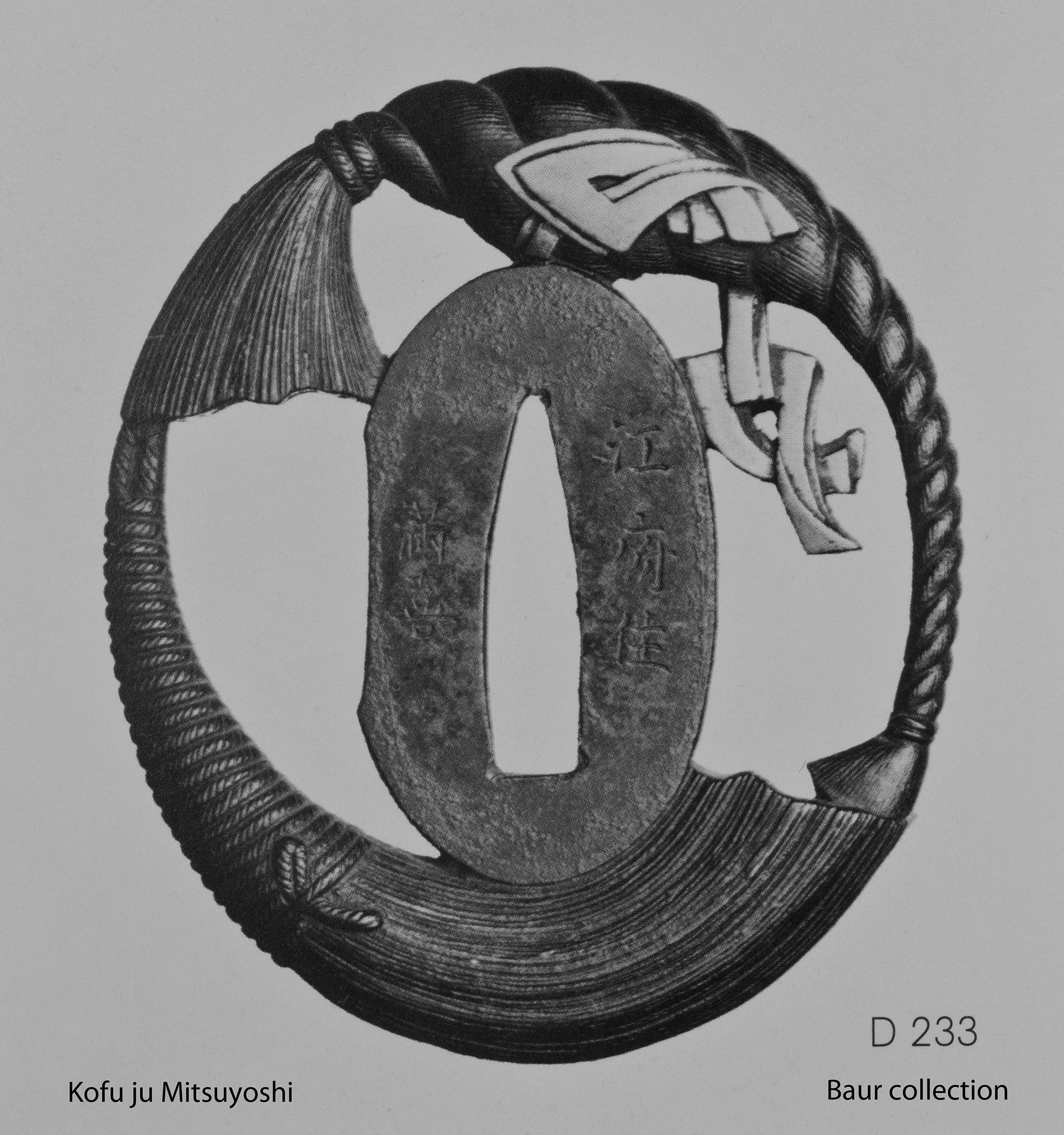
A variation on the one above, a bit fancier and with added gohei.
Doing some digging on line to find out when magnifying glasses were developed in Japan I came across this site:
http://www.antiquespectacles.com/topics/japanese/japanese_influence.htm
It looks like the first examples were introduced in 1551 and wider domestic production started around 1620. I have to wonder how long it took for the first daimyo to own a pair to think about what his preferred kodogu maker might be able to do with the new technology.
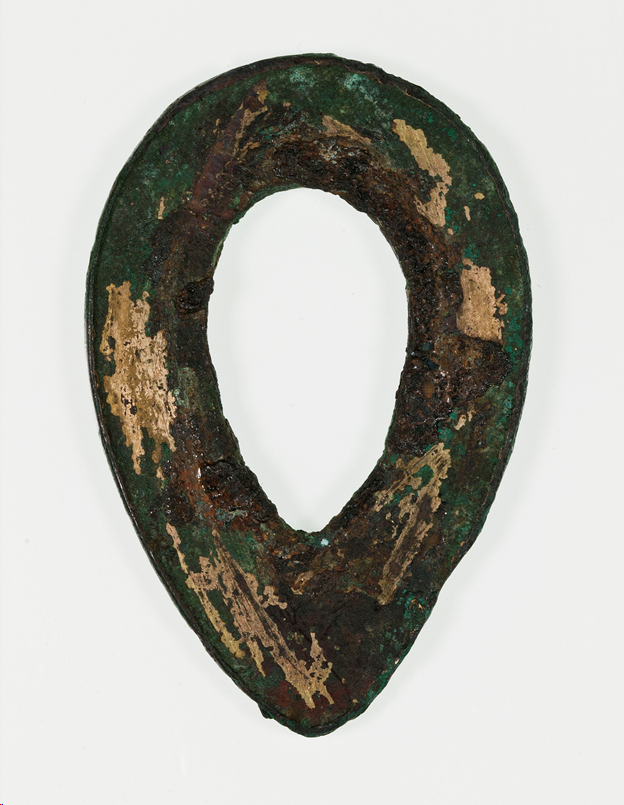
An old tsuba for a new blog. A friend commented “you’re back in the saddle.”
 Tsuba Kansho